
Why Period Emergencies Still Happen in 2026
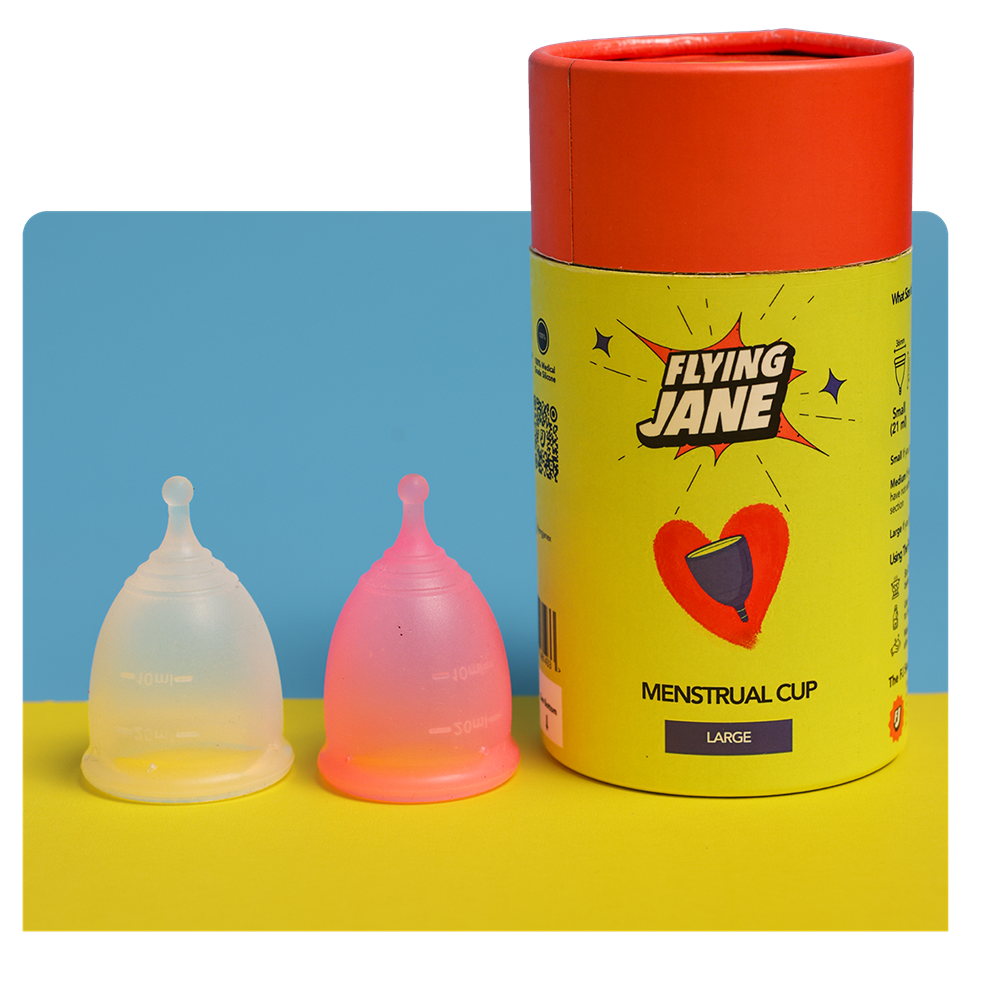
Period emergencies are still a reality in 2026, despite growing awareness around menstrual health. From schools to workplaces and public spaces, lack of access to period products continues to create stress, inconvenience, and avoidance behavior.The issue is no longer awareness, it is infrastructure.
The hidden reality of period emergencies
A period emergency can happen to anyone:
-
Unexpected cycle timing
-
Lack of access to pads or tampons
-
Insufficient public facilities
-
Travel or long hours outside home
These situations often lead to anxiety, discomfort, and missed opportunities.
Why the problem still exists
Despite progress in conversations around menstruation, most public spaces still lack:
-
Accessible period product availability
-
Visible distribution systems
-
Regular restocking infrastructure
-
Stigma-free communication
As a result, individuals are forced to manage emergencies alone.
The impact of poor period access
Poor access leads to:
-
Missed school hours
-
Reduced workplace participation
-
Avoidance of public spaces
-
Emotional stress and stigma
This creates long-term inequality in mobility and opportunity.
The solution: building period-friendly infrastructure
The solution lies in system design, not just awareness. This includes:
-
Always-stocked pad dispensers
-
Reliable restocking systems
-
Clear signage and visibility
-
Integration into everyday spaces
Period emergencies are not inevitable; they are a design gap. With the right infrastructure, they can be eliminated from everyday life.